

Individual Therapy
1:1 sessions to create meaningful, lasting change.
Therapy That Goes Beyond Surface Level Talking
Sometimes you know exactly what your problem is. And somehow you still find yourself hamster-wheeling through the same patterns, which can be incredibly frustrating. Your life might feel like a downward escalator, an overwhelming jungle, or a slog through pain and drudgery. You may have a vague sense that something isn’t right, but can’t explain it in words or make sense of it.
Therapy can help you slow down enough to understand what is actually happening, not just intellectually but emotionally, physically, relationally, and at the level of your nervous system. We work together to recalibrate your nervous system and reorganize your patterning on all levels of experience from the smallest branches of your thoughts to the deep roots of your core experiences. This process can empower you with increased clarity, emotional freedom, and a healthier relationship with yourself and with others.
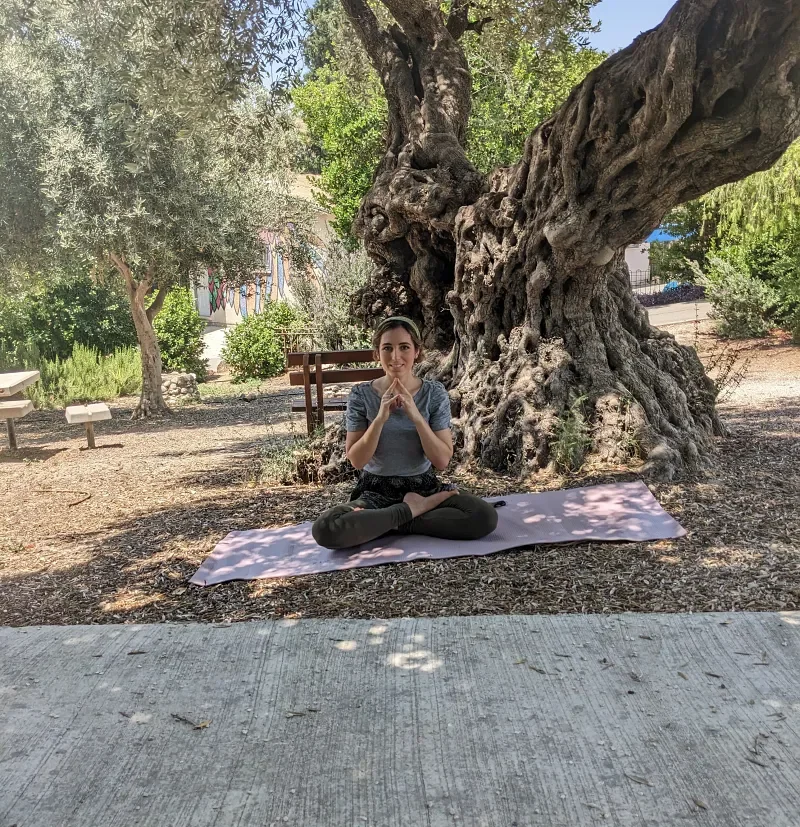
Healing does not have to be hard. In fact, it happens naturally under the right conditions when external and internal interferences are removed. Often a major obstacle to healing is the cognitive narrator in the brain, who continues ruminating, rehashing, analyzing, future-tripping, and problem-solving. This creates a wall of cognitive tension, which perpetuates physical tension. Thankfully, we have some really great techniques to move past the surface cognitive layer and access the deeper regions of consciousness, from where shifts occur.
Who Individual Psychotherapy Is For
• You’re dealing with anxiety, depression, stress, burnout, trauma, relationship difficulties, or a major life transition.
• You may feel disconnected from yourself, your relationships, your body, or your sense of purpose.
• You may be struggling with sleep.
• You may feel like you are constantly thinking, analyzing, planning, replaying, anticipating, or trying to solve your way out of feelings.
• You may have already tried meditation, medication, self-help books, cognitive talk therapy, talking with AI or listening to going to healing retreats.
And you still feel stuck.
If you see the same recurring patterns that are making life more difficult than it has to be and you feel motivated to change them, then therapy can give you the container to untangle the inner conflicts and address the heart of the matter, while simultaneously remapping your nervous system.
Therapy can be so much more than just talking about problems. We can make the healing process creative, connective, and even fun, by working with your body and mind instead of against them using a variety of tools.
While every session is unique, you can expect any given session to have some of the following: checking in, setting intentions, slowing down, conscious breathing, guided mindfulness, drawing, writing, movement, role plays, and practical skill building. And focused talking. From the outside it looks like an ordinary conversation, but it is actually a precise, multi-layered, attuned process that guides you toward self-organization.
What Sessions Can Include




“If you believe you can damage, then believe you can fix. If you believe you can hurt, then believe you can heal.”
- Rav Nachman
How It Works
Step 1: Book a Free 15 Minute Introductory Call
We will talk about your reasons and expectations for therapy, and you can ask any questions you have. This is a chance to see whether working together feels like the right fit.
Step 2: Schedule Your Initial Session
If we decide to work together, you will schedule your first session and review the online consent paperwork.
Step 3: Show Up and Get Started
The first session focuses on getting to know you, building safety, and understanding your goals and giving you a taste of the therapy process. The first meeting is 50-55 minutes in length (unless pre-agreed otherwise). The focus is to get to know something about each other, join forces in understanding your situation, and to arrive at a consensus about your goals and the steps needed to reach them. Just to be clear, it’s not a straight-jacket question and answer interview. Rather it’s a conversation where we organically learn about your life concerns, strengths, thoughts, feelings, nervous system patterning, and life organization.
The idea is to front load the therapy in the beginning by meeting weekly (or biweekly) consistently to maximize benefits. As the effects take place and you integrate more on your own between sessions, we can taper down the session frequency based on your needs.
What You May Notice Over Time
Therapy is not meant to make all the challenges disappear, but it can help you experience life differently. If you actively engage in consistent therapy, you can change your patterning at every level.
You may notice:
✓ More awareness of your emotional and nervous system patterns
✓ Less reactivity
✓ More ability to pause before responding
✓ A clearer sense of what you need
✓ More self-trust
✓ Healthier boundaries
✓ Greater emotional flexibility
✓ More connection with your body
✓ Better ability to navigate difficult relationships and transitions
✓ A more compassionate relationship with yourself
Your body can learn to feel more at ease as years of held stress and tension resolve. You can reprogram your breathing to be automatically deeper, slower, and regularly paced. Your thoughts may become clearer and more helpful, as the inner critic loosens its grip. Things that used to trigger you may not feel like a big deal anymore, as your nervous system recalibrates. You may feel a sense of peace within yourself no matter the external circumstances and life may become more enjoyable.
Professional Reflections
I do not ask therapy clients for testimonials, as this can be ethically problematic within the therapeutic relationship. However, here are a few reflections from fellow therapists.

“Ruthie is a highly skilled, experienced and compassionate healer and wise soul. I am always impressed by her extraordinary therapeutic insight and the breadth of her capabilities and knowledge. As her patient, you will be in truly excellent hands with Ruthie.”
- Catherine Lockwood, LMFT
“Ruthie has a warmth that will calm your nervous system while simultaneously motivating you to take the next steps in healing with courage. She is compassionate and highly skilled in helping both your brain and body to truly heal. Highest recommendations!”
- Larissa House, LCSW
Investment
Individual psychotherapy sessions are 50-55 mins in length. I am contracted with Lyra Health EAP, and Aetna, while being out of network for all the other insurances. Some insurances partially reimburse out-of-network services, depending on your plan.
I’m happy to provide superbills that you can submit to your insurance for reimbursement, if relevant. We can discuss rates, availability, session frequency, and any practical questions during your introductory call.
Ready to Get Started?
If this speaks to you, book a free 15-minute introductory call. We can talk about what is bringing you to therapy and explore whether this feels like the right next step.
FAQ
-
Telehealth is as effective as in person therapy for most people and can be a great option for you if you don’t have the time or means travel to an office, want to avoid crowded waiting rooms, or simply prefer to have appointments in your own setting. Other than the logistical convenience of telehealth, some therapeutic benefits include:
The therapist can see you and support you in your natural environment
It’s easier to include family members in the sessions, if needed. (This is especially convenient for mothers who want to work on attachment skills with their young children.)
Some people report feeling more relaxed and safe being in their own space
Video therapy lends itself very well to some really valuable video-based interventions.
There are some situations where in-person support is preferential to telehealth. High risk crisis situations are better managed in the containment of an office. Also, people who lack a safe and private setting are better suited for an office, as are people who have technological barriers (such as poor internet quality, difficulty logging on).
-
That’s a great question! You can optimize your therapy before, during, and after sessions:
Before sessions: Set goals and intentions for the session:
What is the internal emotional difficulty you need help with?
What questions would you like to get more clarity on?
What are some helpful topics you would like to cover in the session?
Are there any skills you would like to learn or practice?
What would you like to be different for you at the end of the session?
Prepare what you need, such as water, pen & paper, tissues
Show up on time
During the session: Show up with an open mind. Be willing to slow down. Take risks and experiment with new learnings. Share honest feedback about what is working and what isn’t.
After the session: Review your takeaways. Journal about your experience from the session. Actively work on your goals and practice skills.
-
The length of therapy varies from person to person depending on clinical needs, goals, motivation, integration of gains between sessions, and situational factors. Some people can complete therapy in just a few sessions, while others may need a year or longer. Some roads are shorter and some are longer with more mountainous terrain. Therapy is about healing the nervous system. If it took years for symptoms to build up, then it will take time for your nervous system to recalibrate. The more kind you can be with yourself, the more quickly your nervous system will cooperate.
-
I ask to be informed 24-hours prior to your appointment if you need to cancel or reschedule. Short notice cancellations (within 24 hours) and no shows will require you to pay the fee, since that time was reserved specifically for you. I do allow one free cancellation in cases of emergencies.